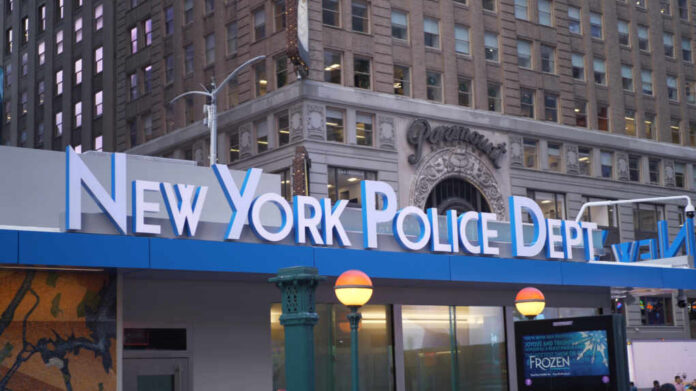
The integrity of New York’s high-profile crackdown on “ghost cars” and toll cheats is being fundamentally challenged by a new civil lawsuit. The complaint alleges that senior NYPD officials systematically used department vehicles to evade MTA bridge and tunnel tolls, effectively operating their own private toll-dodging scheme. This explosive case exposes a suspected double standard: harsh enforcement for ordinary commuters, but quiet exemptions for powerful insiders.
Story Highlights
- A new civil lawsuit claims senior NYPD officials used department cars to dodge MTA bridge and tunnel tolls.
- The allegations clash directly with New York’s high-profile crackdown on “ghost cars” and fraudulent plates.
- State and city leaders have boasted of seizing thousands of vehicles and recovering millions from toll cheats.
- The case raises core questions about equal enforcement, accountability, and political double standards.
Lawsuit Claims NYPD Brass Turned Patrol Cars into “Ghost Cars”
The lawsuit at the center of the “Cop Out” story alleges that multiple NYPD bosses systematically used department-issued vehicles to evade tolls at MTA bridges and tunnels, effectively operating their own “ghost cars” inside the police hierarchy. According to the complaint, high-ranking officers allegedly treated official cars as personal commuter vehicles, bypassing tolls ordinary New Yorkers must pay and, in some cases, using obscured or improperly displayed plates to slip past automated readers designed to catch scofflaws.
The case lands after years in which New York officials loudly promised a hard line on toll cheats and fraudulent plates. The lawsuit’s timing matters: city and state agencies have heavily promoted their war on “ghost cars,” arguing that unpaid tolls drain revenue from critical infrastructure and shift the burden onto honest drivers. By accusing NYPD leadership of the very behavior they publicly condemn, the suit does more than allege financial misconduct; it challenges the integrity of the enforcement regime itself.
NYPD using department vehicles as personal vehicles to avoid congestion toll. pic.twitter.com/xsGElxq2r4
— NJ Transit Rude Zone 🚌🚈 (@rudezoneNJT) December 7, 2025
Ghost Car Crackdown: Tough Talk for Drivers, Different Rules for Insiders?
New York’s crackdown on ghost cars accelerated in 2023 and 2024 as fraudulent plates and toll evasion surged alongside cashless tolling and automated license plate readers. Officials formed joint task forces with NYPD, the MTA, Port Authority, the NYC Sheriff’s Office, and State Police to target “persistent toll violators” and vehicles using fake or obstructed tags. Operations at key bridges and tunnels relied on scanners, drones, and mobile plate readers to identify violators tied to large unpaid balances.
By mid-2025, authorities were touting big numbers. A statewide task force reported roughly 5,300 vehicles impounded since March 2024, including more than 2,100 in 2025 alone, and about 16,000 summonses issued as part of intensified toll-enforcement sweeps. A separate city–state initiative claimed 58 operations in its first seven months, with 700 arrests, over 32,000 summonses, and more than 3,100 vehicles seized from owners said to owe more than $27 million in unpaid tolls, taxes, and fees. Leaders framed the effort as a fight for public safety and fairness to taxpayers.
Official Rhetoric Collides with Allegations of Double Standards
Throughout these campaigns, New York’s political and law-enforcement leadership described ghost cars as a “plague” and a “menace,” linking toll cheats to serious crimes like robberies, shootings, and hit-and-run crashes. Governor Kathy Hochul warned that fraudulent plates cost the state millions each year and insisted such behavior would not go unchecked. NYPD leaders publicly declared that the days of motorists getting away with toll evasion were over, promising impoundments and stiff penalties for violators.
The lawsuit alleging NYPD bosses themselves manipulated department vehicles to dodge tolls sits squarely against that backdrop. If discovery substantiates claims that high-ranking officers used official status to avoid detection or consequences, it would undercut the promise that “no one is above the law.” For many conservative readers already skeptical of big-city political machines, the story highlights an all-too-familiar pattern: harsh enforcement for regular workers while powerful insiders carve out quiet exemptions for themselves.
Implications for Accountability, Commuters, and Conservative Priorities
Short term, the case poses reputational risks for NYPD leadership and could spur internal affairs probes into both specific toll incidents and broader informal practices around plate treatment on department vehicles. It may also pressure city hall and the MTA to prove that enforcement is truly even-handed, not another example of bureaucrats lecturing the public while cutting corners behind the scenes. Concrete responses could include tighter auditing of toll records for official cars and clearer rules on when and how department vehicles can be used for personal commuting.
For commuters and taxpayers who played by the rules through years of rising tolls and congestion fees, the alleged conduct reinforces frustration with a political culture that treats government as a separate class. If ordinary New Yorkers faced seizure and fines for unpaid tolls while leadership allegedly glided through gantries on the public’s dime, it signals a deeper issue than a few unpaid crossings. It raises basic questions of equal treatment, limited government, and respect for law that resonate far beyond New York’s bridges and tunnels.
Watch the report: Toll evaders caught in 100th ghost plate enforcement action
Sources:
- Cop Out: NYPD bosses evade tolls with department cars, lawsuit claims
- Mayor Adams, Governor Hochul on Removal of 73,000 Ghost Cars and Illegal Motorized Vehicles