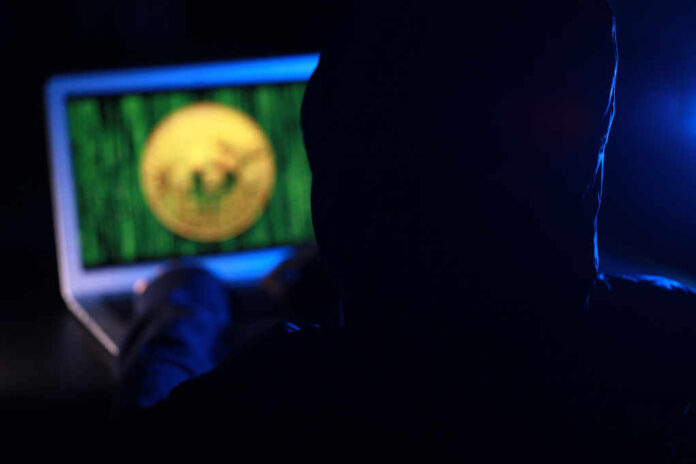
A masked criminal posed as a courier to execute a massive “wrench attack,” robbing a San Francisco resident of $11 million in cryptocurrency. This high-profile theft not only exposes the growing trend of violent, physical crimes targeting digital assets but also reignites the debate over local soft-on-crime policies and the urgent need for a renewed law-and-order approach to secure both physical and digital property.
Story Snapshot
- A fake delivery driver invaded a San Francisco home, restraining the occupant and stealing $11 million in cryptocurrency.
- This “wrench attack” highlights a growing trend of violent physical crimes targeting digital assets.
- Law enforcement faces major obstacles in recovering stolen crypto due to irreversible blockchain transactions and previous policy failures.
- The case has renewed calls for restoring law and order and protecting Americans’ financial and personal security.
Violent Crypto Robbery in a City Hampered by Failed Policies
On November 22, 2025, in San Francisco’s Mission Dolores neighborhood, a criminal disguised as a delivery driver exploited lax neighborhood security to enter a private residence. The suspect requested a package signature, followed the homeowner inside, brandished a firearm, and used duct tape to restrain the victim. The assailant then coerced the victim into handing over wallet credentials, enabling the theft of $11 million in cryptocurrency. This attack occurred during daylight hours in a city previously plagued by lawlessness and weakened policing, a legacy many blame on years of progressive, anti-police leadership.
San Francisco’s troubles are not isolated. The rise in violent “wrench attacks”—physical assaults targeting digital asset holders—has surged worldwide, with a 65% increase reported in 2025 compared to the prior year. Criminals are emboldened by perceptions of minimal consequences and the knowledge that once crypto is transferred, it is nearly impossible to recover. Affluent tech hubs like San Francisco have become prime targets, with criminals surveilling neighborhoods and exploiting the lack of strong community policing. Residents and investors are left vulnerable, highlighting the cost of previous policies that deprioritized property rights and law enforcement.
A man posing as a delivery driver walked away with $11 million in cryptocurrency after robbing a San Francisco resident, police say. The incident occurred early Saturday evening… https://t.co/2CgS82HUlV
— Newser (@Newser) November 25, 2025
Law Enforcement Struggles with Crypto Crime Recovery
Despite the severity of the heist, local police have made no arrests, and the perpetrator remains unidentified. Investigators believe the stolen crypto was quickly moved on-chain, complicating any chance of asset recovery. San Francisco’s police force—previously understaffed and demoralized by city leaders—now faces the nearly impossible task of tracing digital funds across anonymous blockchain transactions. Nationally, law enforcement is calling for stronger regulations and improved technological tools, but the damage from years of underfunding and soft prosecution lingers.
Public appeals for surveillance footage and social media campaigns, such as those led by tech leaders like Garry Tan, have become critical in the absence of swift police action. This reliance on citizen involvement underscores a breakdown in public trust and the need for the renewed law-and-order approach that has become the hallmark of the Trump administration. Americans are demanding accountability and effective protection for their property, both physical and digital.
Financial and Social Fallout: Conservative Calls for Accountability
This brazen theft is more than an isolated case—it is a symptom of deeper problems stemming from years of leftist governance that neglected basic security and emboldened criminals. The immediate impact includes the victim’s psychological trauma and the massive financial loss, but the long-term consequences extend further. Fear is spreading among crypto investors and residents of urban neighborhoods, while confidence in local institutions erodes. Industry leaders are urging adoption of advanced security measures, such as multi-party wallets and time-locked transactions, but these are stopgaps in the absence of real deterrence.
Politically, the incident has fueled conservative advocacy for restoring common-sense crime policies, supporting law enforcement, and strengthening personal security rights—including the right to self-defense. It also raises questions about the role of government in protecting both traditional and digital property, especially as regulatory reforms—like California’s new Digital Financial Assets Law—struggle to keep pace with criminal innovation. For many, the return to robust, pro-constitution leadership in 2025 cannot come soon enough as families, retirees, and hard-working Americans demand safety and justice restored in their communities.
Perspectives and the Path Forward
Security and blockchain professionals agree: the combination of digital assets and physical vulnerability demands a new era of operational security. Splitting seed phrases, using multi-factor authentication, and keeping a low public profile are now essential. However, no technological fix can substitute for a society that respects law, order, and personal liberty.
The Trump administration’s renewed focus on these foundational principles offers a path forward—contrasting sharply with the failed policies that led to this crisis. Ultimately, the right to protect one’s home, assets, and family must remain sacrosanct, and only decisive leadership can deliver real security for all Americans.
Watch the report: Scammer demands cryptocurrency from South Carolina resident or family member will die, report says
Sources:
San Francisco crypto wrench attack victim loses $11M to fake courier
San Francisco Crypto Theft: $11 Million Stolen in Armed Home Invasion
San Francisco cryptocurrency thief poses as delivery driver, steals $11 million
SF cryptocurrency robbery: $11M stolen in Mission Dolores
Fake Delivery Person in the Mission Binds, Robs SF Homeowner in $11M Crypto Heist