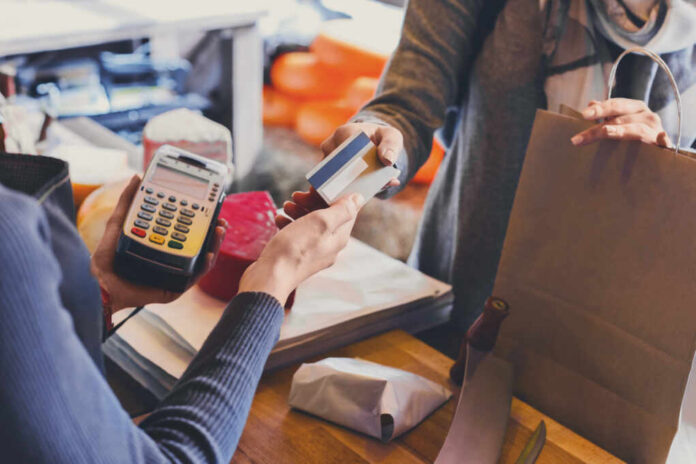
Ohio lawmakers are championing new legislation, known as the “Cash Act” (House Bill 554), to combat the growing corporate trend toward cashless transactions. This proposed law would require major retailers like Walmart and Costco, along with government offices, to accept cash for in-person transactions up to $500 and maintain at least one cash-accepting checkout lane. The move is a significant win for millions of unbanked, elderly, and low-income citizens who rely on physical currency, challenging business practices that advocates argue exclude vulnerable Americans from the economy.
Story Highlights
- House Bill 554 would require businesses to accept cash for transactions under $500
- Major retailers like Walmart and Costco would be forced to maintain cash-accepting checkout lanes
- The “Cash Act” protects unbanked Americans from corporate discrimination
- Ohio joins states like New Jersey and Massachusetts in defending cash payment rights
Ohio Takes Stand Against Corporate Payment Control
Ohio legislators introduced House Bill 554, known as the “Cash Act,” requiring businesses and government offices to accept cash for in-person transactions of $500 or less. The bill mandates that retailers maintain at least one point-of-sale location accepting cash, directly challenging the corporate trend toward cashless operations. This legislative action represents a significant pushback against business practices that exclude cash-dependent consumers from participating in the economy.
New Ohio law could require Walmart, Costco to accept cash for payments https://t.co/0RHBs4Wm9L pic.twitter.com/0HtSMBX10u
— New York Post (@nypost) November 22, 2025
Corporate Resistance Expected from Big Box Retailers
Large retailers, including Walmart and Costco, face operational changes if the legislation passes, as they would need to adjust checkout systems and staff training procedures. These corporations have increasingly moved toward digital-only payment systems, citing efficiency and security concerns. However, this corporate preference has effectively created barriers for millions of Americans who rely on cash for daily transactions, particularly affecting elderly, low-income, and rural communities who lack consistent access to banking services.
Protecting Constitutional Commerce Rights
The proposed legislation addresses a fundamental issue of economic freedom, ensuring that legal U.S. currency remains accepted for commercial transactions. Cash represents the most basic form of financial independence, free from corporate tracking, digital surveillance, and banking system dependencies. When businesses refuse cash, they essentially create a two-tiered commerce system that discriminates against Americans who choose or need to use physical currency for their purchases.
National Precedent for Consumer Protection
Ohio’s initiative follows successful cash acceptance laws in New Jersey and Massachusetts, along with municipal ordinances in Philadelphia and San Francisco. These precedents demonstrate growing recognition that cashless policies disproportionately harm vulnerable populations and undermine basic commercial accessibility. Studies consistently show that mandatory cashless systems exclude millions of unbanked and underbanked Americans, creating economic barriers that violate principles of equal market participation and consumer choice in free commerce.
The legislation currently moves through Ohio’s legislative process, with further committee hearings and potential amendments expected. Success in Ohio could encourage similar protective measures in other states, establishing a nationwide framework defending Americans’ right to use legal tender without corporate interference or digital payment system requirements.
Watch the report: Ohio bill would require cash acceptance for most in-person purchases under $500
Sources:
New ‘cash law’ could force Walmart and Costco to take your money the old-fashioned way.
Ohio bill would require cash acceptance for most in-person purchases under $500
New ‘cash law’ could force Walmart and Costco to take your money the old-fashioned way