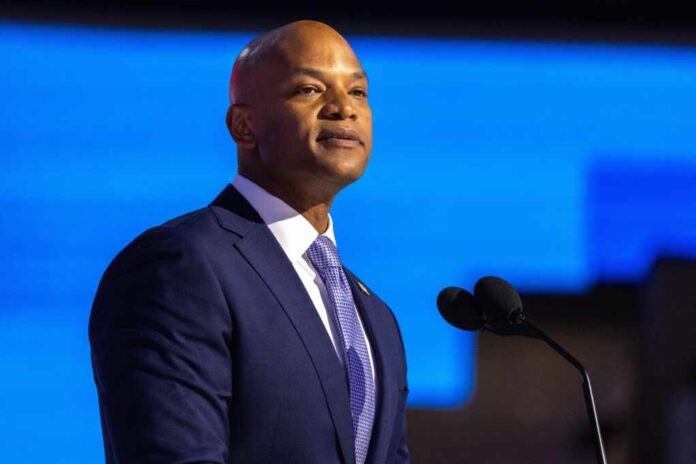
The Trump administration’s recent executive actions regarding welfare eligibility and border policy have become the subject of intense national debate, highlighted by a recent accusation from Maryland Governor Wes Moore. The administration defends the changes as necessary for fiscal responsibility and prioritizing U.S. citizens, while critics argue the measures negatively impact vulnerable populations.
Story Highlights
- Accusation: Maryland Governor Wes Moore (D) publicly accused President Trump of restricting federal welfare benefits in a manner he claims is unlawful.
- Administration’s Defense: The Trump administration states its reforms are aimed at reducing “waste, fraud, and abuse,” ensuring benefit programs serve U.S. citizens, and enhancing border security.
- Policy Focus: Key policy actions include stricter verification of citizenship status for benefit recipients and increased enforcement of immigration laws.
- Legal Context: The reforms have been subject to legal challenges, with the Supreme Court repeatedly upholding the administration’s authority on key policies.
Maryland Governor Accuses Trump Administration of Unlawful Restriction of Benefits
On a recent Sunday broadcast of CBS’s “Face the Nation,” Maryland Governor Wes Moore stated that President Donald Trump is “literally breaking the law so people can starve.” The comment refers to new federal executive orders and legislative actions that restrict eligibility for federal benefit programs to verified U.S. citizens.
The Governor and other critics argue that these measures unfairly affect vulnerable populations and undermine existing legal protections. The dispute highlights growing tension between some Democratic state leaders and the current administration over federal policy reform.
Maryland Gov. Wes Moore said the state is stepping in to ensure food and heating aid continues despite the ongoing government shutdown, criticizing the Trump administration for providing unclear guidance and creating “intentional chaos” that leaves residents at risk of going… pic.twitter.com/XiVumVPw0J
— Face The Nation (@FaceTheNation) November 9, 2025
Administration Defends Actions as Fiscal and Constitutional Reforms
Now in its second term, the Trump administration has defended the policy changes as a necessary course correction to address perceived mismanagement in federal benefit programs. The administration has cited the February executive order, “Ending Taxpayer Subsidization of Open Borders,” as a key measure that protected over $40 billion in benefits from being claimed by individuals in the country illegally.
Supporters of the administration’s actions contend that the reforms restore constitutional principles by prioritizing U.S. citizens and upholding the rule of law. They align these actions with long-standing principles of limited government and fiscal responsibility, noting a reported $27.2 billion budget surplus in June 2025 as evidence of restored fiscal discipline.
Overview of Trump Administration’s Welfare and Immigration Policies
Since returning to office, President Trump has issued over 170 executive orders, many of which affect welfare eligibility and border policy. The administration’s actions include measures for stricter verification of citizenship status for benefit recipients, increased deportations, and the revocation of temporary protected status for over 500,000 migrants. The stated goal of these reforms is to ensure that federal programs are utilized by U.S. citizens.
Critics, primarily from left-leaning states and advocacy organizations, have argued that these measures are overly broad and risk causing harm to legal immigrants and other vulnerable groups. Conversely, conservative commentators maintain that the policies fulfill a commitment to prioritize American families and secure the border. The Supreme Court has consistently upheld the executive authority to enforce these policies in legal challenges.
Ideological Debate Over Government Role and Constitutional Authority
The conflict between Governor Moore’s allegations and the administration’s policies reflects a fundamental ideological disagreement over the role of the federal government. Proponents of the reforms argue that restricting federal benefits to citizens is a core constitutional principle intended to protect American taxpayers and national integrity. They view the reforms as a necessary step to reassert fiscal discipline and limit government overreach. Opposing Position: Critics counter that opposition to the reforms is necessary to protect established legal protections for various populations.
Available data cited by the administration and its supporters suggests the approach is associated with “increased economic confidence, historic blue-collar wage growth, and a renewed sense of accountability in federal governance.” The ongoing debate over welfare policy, immigration, and constitutional rights is expected to remain a prominent feature of American political discussion.
Watch the report: Maryland Gov. Wes Moore criticizes White House for “intentional chaos” on shutdown funding
Sources:
Maryland Gov. Wes Moore criticizes White House for “intentional chaos” on shutdown funding – CBS Baltimore
Wes Moore: Conflicting messages on SNAP creating ‘chaos’ – POLITICO