New York City mayoral frontrunner Zohran Mamdani recently campaigned with Imam Siraj Wahhaj, a figure who was named as an unindicted co-conspirator in the 1993 World Trade Center bombing investigation. This association has generated significant discussion regarding public safety, political judgment, and community engagement as early voting approaches.
Story Highlights
- On October 17, 2025, mayoral candidate Zohran Mamdani appeared with Imam Siraj Wahhaj at Masjid At-Taqwa in Brooklyn.
- Imam Wahhaj was identified as an unindicted co-conspirator in the 1993 World Trade
- Center bombing, though he was never charged and has publicly condemned the attack.
- Mamdani’s social media post, in which he referred to Wahhaj as a “pillar” of the community, drew criticism from various groups.
- The incident has intensified discussions about political outreach, security concerns, and constitutional values in New York City’s mayoral race.
Mayoral Frontrunner’s Association Draws Scrutiny
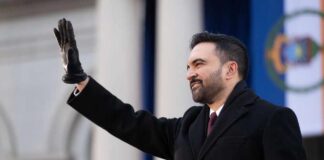
On October 17, 2025, Zohran Mamdani, a leading candidate in the New York City mayoral race, participated in a campaign event with Imam Siraj Wahhaj at Masjid At-Taqwa in Brooklyn. Imam Wahhaj, a recognized figure within the Black Muslim community, was previously named as an unindicted co-conspirator in the investigation of the 1993 World Trade Center bombing. This terrorist attack resulted in six fatalities and over 1,000 injuries. While Wahhaj was not charged and has consistently denounced the bombing, his past connection to the investigation has prompted concerns among those focused on public safety and extremism.
Following a mayoral debate that addressed topics including Hamas and Middle East policy, Mamdani, a self-described democratic socialist and the city’s first Muslim mayoral frontrunner, posted images with Wahhaj. In his social media commentary, Mamdani characterized Wahhaj as a “pillar of the Bed-Stuy community.” This statement elicited strong reactions from conservative leaders, pro-Israel advocates, and a segment of New Yorkers who perceive such associations as imprudent in the current security climate. The event, which was co-organized by Black Muslims Now and included Councilmember Yusef Salaam, became a point of contention. Critics suggested it represented an acceptance of controversial figures under the guise of inclusivity and community outreach.
Mamdani appears smiling, arm-in-arm with unindicted ‘93 WTC bombing co-conspirator and terrorist apologist. Read today's cover here: https://t.co/P9p6OQkCOd pic.twitter.com/BKp7WNyhKJ
— New York Post (@nypost) October 19, 2025
Security, Extremism, and Public Trust: Perspectives on the Controversy
Imam Wahhaj has led Masjid At-Taqwa for several decades, a mosque that was attended by individuals later implicated in the 1993 bombing. Wahhaj’s inclusion on the co-conspirator list was not a criminal charge but arose from his connections to those involved and his testimony in defense of Sheikh Omar Abdel Rahman, who was convicted as the attack’s mastermind. In the context of heightened security awareness, critics have expressed concerns that the political normalization of controversial religious leaders could diminish public trust and hinder efforts to ensure community safety.
Wahhaj has consistently denied any involvement in the bombing, publicly condemned the 1993 attack, and cooperated with law enforcement investigations. Nevertheless, the visual representation of a prominent mayoral candidate embracing a figure with this history has amplified calls for transparency, accountability, and a renewed focus on constitutional principles related to public safety. Opponents, including U.S. Representatives and conservative commentators, have utilized this incident to challenge Mamdani’s suitability for office and the values he would bring to City Hall.
Community Response and Political Implications Ahead of Voting
The reactions intensified as early voting commenced, with media coverage and political commentary escalating on October 18 and 19. The incident has become a significant issue in the mayoral campaign, contributing to anxieties within New York’s Jewish and pro-Israel communities and drawing attention to the Black Muslim community. For many moderate and conservative voters, the controversy highlights perceived risks in progressive outreach strategies that appear to overlook security and extremism concerns. The timing of the event, occurring just days before ballots are cast, has introduced new uncertainty into the race, potentially influencing voter sentiment in the short term and affecting how candidates engage with religious and minority leaders in the long term.
Supporters of Mamdani frame his actions as inclusive, reflecting the city’s diversity. Conversely, critics contend that such alliances signal a tolerance of extremism and a disregard for past terrorist attacks. The debate has revealed differing viewpoints on the balance between community engagement and the defense of American values and public safety. Conservative voices continue to advocate for high standards of judgment, transparency, and respect for constitutional protections from all candidates.
Analysis: Navigating Outreach and Security in a Politically Charged Environment
Academic and professional commentators observe that inclusion on a co-conspirator list often stems from proximity to suspects rather than conclusive evidence of wrongdoing. However, scholars and security analysts generally agree that the political normalization of figures with controversial histories can erode public confidence, particularly when issues of terrorism and citizen safety are at stake. The controversy underscores the ongoing challenge for progressive politicians: how to pursue inclusive outreach without compromising fundamental principles and security priorities.
As early voting begins, New Yorkers face a decision that will impact the city’s future and indicate whether the electorate will support or reject candidates whose associations are perceived to blur the lines between diversity and potentially concerning connections. The ongoing debate serves as a reminder of the need to uphold conservative values, constitutional rights, and accountability from all individuals seeking public trust.
Watch the report: Mamdani ‘caught out’ with unindicted co-conspirator of 1993 WTC bombing plot
Sources:
Mamdani Praises Imam Once on NYPD’s Watchlist
Mamdani Appears Smiling Arm-in-Arm With Imam
Mamdani Seen With Imam Linked to WTC Co-Conspirator List