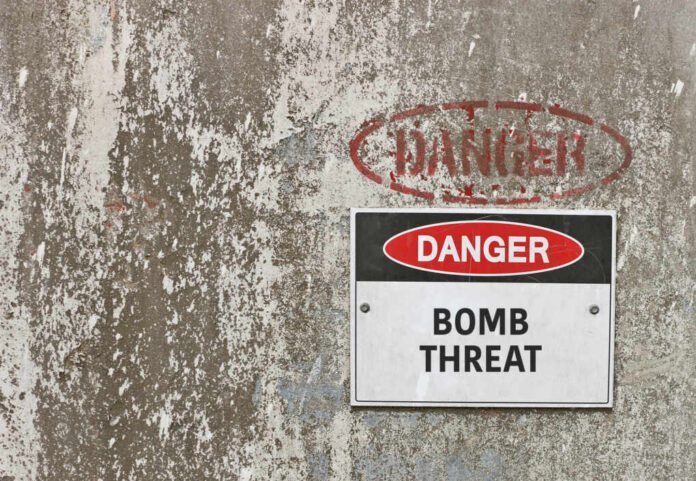
A credible bomb threat at Michigan’s lieutenant governor’s home underscores the nation’s rising tide of political violence.
At a Glance
- Police responded to a bomb threat at Lt. Gov. Garlin Gilchrist’s Detroit home.
- The Gilchrist family was evacuated as agencies secured the scene.
- The threat follows the murder of commentator Charlie Kirk.
- Officials warn of normalization of political violence.
The Detroit Bomb Scare
On September 11, police converged on Detroit’s Corktown after a bomb threat targeted Lt. Gov. Garlin Gilchrist’s home. Officers from state, city, and county units evacuated the family before conducting a full sweep.
Gilchrist condemned the act, calling it part of a “troubling trend” of political violence. He urged citizens to resist its normalization. The threat came just days after the murder of conservative activist Charlie Kirk, heightening unease across the state.
Watch now: Michigan Lt. Gov. Garlin Gilchrist says his home was targeted in bomb threat
A Pattern of Violence
Michigan has long been a flashpoint for political extremism. In 2020, authorities foiled a plot to kidnap Governor Gretchen Whitmer. That conspiracy showcased the volatile mix of militias, partisanship, and distrust of government.
The Gilchrist threat extends that legacy. His home sits in a redeveloped part of Corktown, once known for industry, now a family neighborhood. The choice of target suggests calculated intent to rattle both state leadership and the community.
Political violence has surged nationwide, with elected officials facing rising threats. Experts link the spike to polarization, conspiracy theories, and the amplification of anger through social platforms.
Security and Fallout
The Gilchrist family is safe, and their neighborhood has resumed normal life. But the investigation continues, with state police and federal agencies probing the origins of the threat.
Governor Whitmer joined Gilchrist in condemning the act, stressing that threats against leaders are threats against democracy itself. Security protocols for top officials are now under review.
Beyond security, the incident risks chilling public participation. Citizens may grow hesitant to enter politics, while leaders may face pressure to govern from behind fortified walls. Each incident erodes trust in institutions, feeding the cycle of instability.
Sources