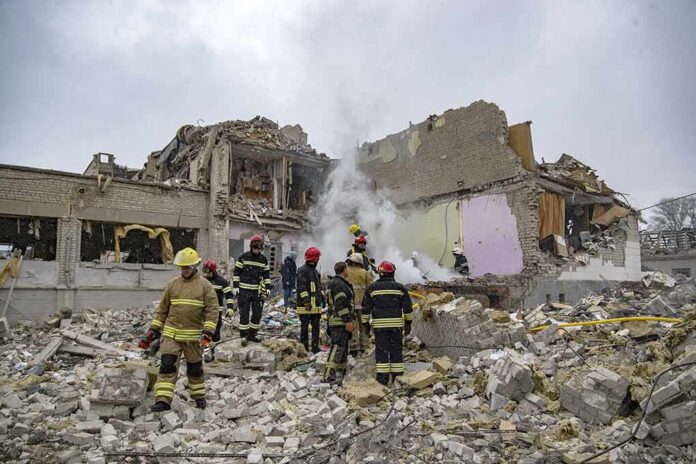
Four Americans were among six people killed when an explosion leveled a two‑story building steps from the Acropolis, and Greek officials say a gas leak is the leading theory behind the blast.
Story Snapshot
- Six people died, including four Americans, after a building collapsed in Athens’ Plaka district.
- Athens’ mayor and investigators pointed to a likely link with gas infrastructure and a suspected leak.
- Police received reports of a gas smell and a prior gas‑leak complaint in the area.
- The fire brigade’s crime unit is probing the cause; final findings have not been released.
What Happened Near the Acropolis
Greek officials said a powerful explosion struck an old two‑story building in the Plaka district, the historic area below the Acropolis. The blast caused a full collapse and a fire. Emergency crews pulled bodies from the rubble as they worked through the day. United States officials confirmed that four of the six people killed were Americans. Local media showed streets blocked off and nearby businesses damaged. The site sits in a dense tourist zone with hotels and short‑term rentals.
Athens mayor Haris Doukas tied the incident to gas infrastructure, saying the explosion was likely linked to a gas-related failure. Investigators at the scene said a gas leak was the likely cause, based on what they observed after the blast. Fire officials and police reported a gas smell in the area, which fits with a leak scenario in a closed space. The fire brigade’s crime investigation unit arrived to collect evidence and document the scene for official findings.
Clues Investigators Are Weighing
Police said residents reported a possible gas leak before the explosion, and a police spokeswoman confirmed a complaint had been made. Reports also describe a strong gas odor near the site on the day of the blast. The building sat in a crowded block with short‑term rentals, which can add complexity to maintenance records and appliance checks. Investigators will look for an ignition source, such as a spark from a switch or appliance, that could ignite trapped gas inside a room.
The building’s age may factor into the probe. Older structures can have aging internal gas lines, past renovations, or outdated appliances. Those conditions can raise risk if inspections lag or if prior work did not meet code. News reports did not provide a full inspection history for the address. Officials have not identified the exact leak point, the type of gas equipment involved, or the ignition mechanism. Authorities said the cause remained under investigation.
Why Early Gas-Leak Theories Are Common
Major gas explosions often draw fast early assessments, but the hard answers come later. In past investigations, the United States National Transportation Safety Board (NTSB) linked blasts to specific defects only after detailed testing and analysis. In one case, officials blamed ineffective responses to reported leaks for allowing gas to build up before an explosion. That pattern explains why Greek officials are collecting evidence now and not naming final causes yet.
Four American tourists among 6 killed yesterday after a suspected gas explosion leveled a building in Athens’ Plaka district, at the foot of the Acropolis.
Two couples were staying in a short term rental and due to fly home Friday.
Prayers for the families.
Such a tragedy and… pic.twitter.com/Gxe0Ww3e62— Gina Beana Fofina (@Ginasassyass) September 27, 2026
News outlets highlighted the death toll and the international victims. That focus is normal in the first days after a disaster. But gas cases often hinge on small parts or hidden lines that fail out of sight. Prior NTSB work found that poor leak management and aging couplings can let gas escape, with ignition from an everyday spark. Greek reporting says a natural gas leak inside a building remains the main scenario under review, pending final results.
What This Means for Travelers and Cities
Tourists crowd Plaka year‑round, and many stay in short‑term rentals near the Acropolis. Cities worldwide face the same question: how to keep older buildings safe when visitor demand is high. The Athens case shows the stakes. If a leak starts in a small room, gas can pool to dangerous levels. A single switch flip can set off a blast. Clear inspection rules, working detectors, and fast response to smell reports are key layers of protection.
Officials have not said when they will publish full findings. Families of victims will want answers on what failed and who bears responsibility. Residents and business owners will want to know if nearby lines or appliances need checks. For now, authorities say the fire brigade’s crime unit is still working the case. Early signs point to a gas link, backed by odor reports and scene impressions, but final conclusions will depend on the evidence record.
Sources:
facebook.com, reuters.com, abcnews.com, theguardian.com, fidelity.com, abc.net.au, euronews.com, ntsb.gov