Billions in food and agriculture aid are now caught in a court fight over whether Washington can use taxpayer dollars to force states into sweeping “gender ideology,” DEI, and illegal-immigration policy promises.
Quick Take
- Twenty-one states and the District of Columbia sued the USDA in federal court, targeting new 2026 funding conditions tied to executive-branch policy priorities.
- The lawsuit says the USDA is unlawfully attaching vague, ideological requirements to essential programs, putting more than $74 billion in annual funding at risk.
- States argue the conditions violate the Constitution’s Spending Clause and the Administrative Procedure Act by coercing compliance without clear authority or rulemaking.
- The dispute could reshape how future administrations—Republican or Democrat—use federal grant conditions to steer state policy.
A $74 billion pressure point: how USDA funding became leverage
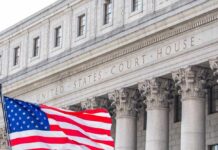
A coalition of 21 states plus the District of Columbia filed an 81-page lawsuit in U.S. District Court in Massachusetts against the U.S. Department of Agriculture. The plaintiffs say the USDA’s new 2026 grant terms threaten more than $74 billion a year that flows through nutrition and agriculture channels, including SNAP and school meal programs. The core complaint is that Washington is treating must-run programs like bargaining chips.
The states’ filings describe conditions that require certifications of compliance with federal anti-discrimination laws while also restricting the use of USDA funds for activities tied to “gender ideology,” transgender athletes, DEI programs, and incentives linked to illegal immigration. In practical terms, critics say states are being told: adopt a package of politically charged policies—or risk losing money needed for basic services like feeding children and supporting agricultural infrastructure.
What changed on December 31—and why states say it matters
The flashpoint was USDA’s issuance of new “terms and conditions” for 2026 federal awards dated December 31, 2025. According to the plaintiff states, the department incorporated Trump Administration executive orders and applied them broadly across USDA programs, without clearly identifying which grants were covered or how specific restrictions would be enforced.
The states also argue the department did not follow the normal process for imposing major policy changes, pointing to the Administrative Procedure Act and the absence of notice-and-comment rulemaking. Their position is that federal agencies cannot rewrite the rules of the road through vague, across-the-board conditions, especially when the money involved supports essential services. Even many voters who oppose DEI bureaucracy still expect basic governance: clear standards, lawful authority, and predictable funding rules.
The constitutional question: conditions vs. coercion
The legal heart of the case is the Spending Clause, which allows Congress to attach conditions to federal funds—but historically requires those conditions to be clear and related to the program, rather than a blunt instrument to force unrelated state policy changes. The plaintiffs argue USDA’s approach crosses that line by presenting states with take-it-or-leave-it certifications that are broad, ambiguous, and tied to hot-button ideology fights rather than the statutory purpose of nutrition and agriculture funding.
This is where conservatives should read carefully, even if they dislike the politics coming from the mostly Democratic-led plaintiff states. If an executive agency can attach unclear, ideological strings to food aid today, the same mechanism can be flipped tomorrow to push left-wing social policy, climate mandates, or gun-control style compliance regimes through grant paperwork rather than legislation. Limiting federal overreach is not about which party holds power; it is about preserving constitutional boundaries.
Political reality: accountability lands on the administration now
Because this is happening in Trump’s second term, the administration owns the federal government’s approach, including how executive orders are operationalized through agencies like USDA. The states’ attorneys general—led publicly by officials including New York Attorney General Letitia James and California Attorney General Rob Bonta—say the government is holding “critical funding hostage” and “weaponizing essential funding” as leverage.
The immediate outcome is still unknown, and the case is pending with no ruling reported. The states are seeking declarations that the conditions are unlawful and an injunction to block them. Whatever the court does, the dispute is a reminder that executive-branch shortcuts can boomerang. Conservatives tired of sprawling bureaucracy and arbitrary enforcement have a stake in insisting that major policy shifts happen through lawful authority and transparent rulemaking—not grant conditions that can be reinterpreted by whichever party wins next.
Sources:
U.S. States Sue USDA Over Funding Conditions Tied to Policy Compliance
Attorney General Bonta Files Lawsuit Challenging Trump Administration’s USDA Funding Conditions
21 states sue USDA over funding conditions they say would threaten school meals
21 states sue Trump admin over USDA funding conditions
States Challenge USDA’s Anti-DEI Funding Conditions