A $250 million COVID-era fraud case is back in the spotlight after sealed trial exhibit listings reportedly referenced “Ilhan’s Office”—and now Minnesota lawmakers want to see what Congresswoman Ilhan Omar won’t hand over.
Quick Take
- A GOP-led Minnesota House committee has moved to subpoena Rep. Ilhan Omar for communications tied to the “Feeding Our Future” scandal.
- Sealed federal trial exhibit listings in United States v. Bock reportedly reference Omar’s office multiple times, including an email titled “Ilhan’s Office.”
- Omar has not been charged; the known public record centers on exhibit titles/descriptions and staff-level contacts, not proven wrongdoing.
- The dispute highlights a broader problem from the pandemic period: emergency waivers and weak oversight that made massive fraud easier.
Subpoena Pressure Builds Around Omar’s Records
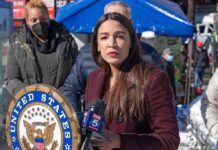
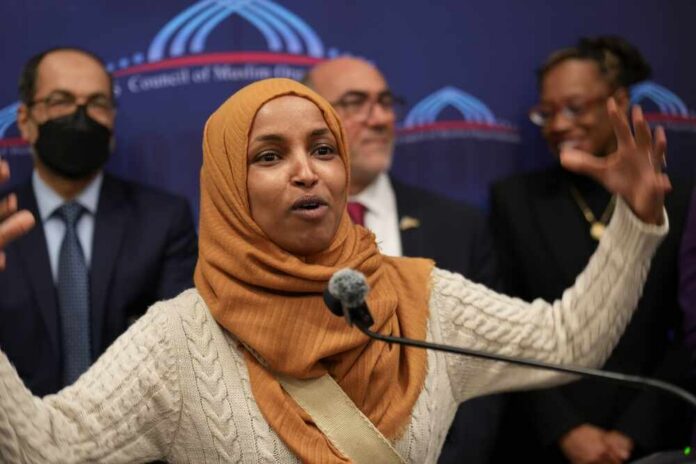
Minnesota’s House Fraud Prevention and State Agency Oversight Committee, led by Republicans, has escalated its probe into the Feeding Our Future scandal by seeking Rep. Ilhan Omar’s communications with individuals linked to the case. Investigators say they want emails, texts, and related logs between Omar’s office and Aimee Bock, the nonprofit leader convicted in the scheme. The committee’s move follows claims that Omar did not provide requested records or appear as expected.
Committee Chair Kristin Robbins has publicly argued that Omar had “some role” in a broader environment that allowed the fraud to grow, tying the controversy to federal pandemic-era changes. The committee’s demand is not a criminal charge, but it is a serious test of transparency. The political stakes are high: the case involves taxpayer-funded child nutrition reimbursements, and it lands in a state where distrust in institutions is already running hot.
What the Sealed Exhibits Do—and Don’t—Prove
Fueling the renewed scrutiny are references in federal trial materials from United States v. Bock. According to reporting and commentary around the case, exhibit lists include an email titled “Ilhan’s Office” dated Feb. 18, 2021, and additional items describing communications involving Omar’s office. Because the exhibits are described as sealed, the public debate is largely about labels and metadata rather than verified content released for independent review.
That limitation matters. Exhibit titles can signal relevance, but they are not the same as publishing the underlying messages. On the available record described in the research, the most concrete public point is that contacts appear to have occurred, including between Bock and named staff in Omar’s office. Without the messages themselves, conclusions about intent or misconduct remain unproven, and that uncertainty is central to the current standoff.
How Pandemic Waivers Opened the Door for Massive Theft
The Feeding Our Future fraud grew during COVID-19, when emergency policy changes were designed to get meals to children quickly. The MEALS Act, signed in March 2020 and co-sponsored by Omar, relaxed requirements tied to federal child nutrition programs—waiving or reducing certain in-person checks and documentation rules. That policy goal was understandable in a crisis, but the scandal shows how fast compassionate policy can be weaponized when guardrails disappear.
Federal prosecutors say Bock’s network exploited the loosened system by sponsoring hundreds of meal sites that allegedly claimed reimbursements for meals that were never served. The reported figure—about $250 million—made the case one of the most notorious pandemic fraud stories in the country. Officials have also described seizures and recoveries, but even significant clawbacks leave taxpayers and legitimate programs paying the price in lost trust and tighter future access.
Omar’s Prior Public Stance Complicates the Political Narrative
Omar’s defenders point to her prior statements condemning the fraud and pressing the USDA for answers and safeguards. That record cuts against a simplistic storyline that every political figure connected to the era’s policy changes must be personally involved in criminal conduct. At the same time, critics argue that public condemnation does not answer a narrower question Minnesota investigators are now asking: what communications occurred, and why, during the period when the scheme expanded.
In practical terms, the fight is now about disclosure, not rhetoric. If Omar releases only selected messages, skeptics will argue she is curating the story. If she releases nothing, it strengthens the committee’s claim that standard oversight is being obstructed. For voters tired of “rules for thee but not for me,” the most persuasive outcome will likely be straightforward transparency consistent with privacy and legal constraints.
Why This Case Resonates Beyond Minnesota
The dispute lands at a moment when many Americans—right, left, and center—believe government systems serve insiders better than working families. Conservatives tend to see a familiar pattern: big spending, relaxed standards, and little accountability until the damage is done. Liberals often see a different failure: programs meant to help vulnerable people being raided by sophisticated fraudsters while politicians use the fallout as a partisan weapon.
Rep. Ilhan Omar’s Name Pops Up MULTIPLE Times in $250 MILLION Feeding Our Future Fraud Emails – Including One Titled “Ilhan’s Office” – But the Radical Squad Member REFUSES to Turn Over Documents to Minnesota Investigators https://t.co/WjkIpEj4wQ #gatewaypundit via @gatewaypundit
— Brian Craig 🇺🇸 (@BrianCraigShow) May 10, 2026
Either way, the core issue is the same: public money intended for children was allegedly diverted on a staggering scale, and the oversight response arrived late. The committee’s subpoena effort—and any response from Omar—will shape whether the public learns enough to restore confidence. With no announced criminal charges against Omar in the research provided, the responsible standard remains evidence-first: release the records, verify what’s real, and let facts—not slogans—drive accountability.
Sources:
Ilhan Omar accused of hiding messages with Feeding Our Future fraud panel says
Rep. Omar leads letter calling for answers on reported misuse of USDA meals funding
Ilhan Omar to release ‘Feeding Our Future’ messages