January’s inflation “cooling” comes with a catch that could fool Washington into the wrong move while families still feel the squeeze.
Story Snapshot
- January 2026 CPI rose 0.2% for the month and 2.4% year-over-year, down from December’s 2.7% pace.
- Core inflation (excluding food and energy) ran hotter: up 0.3% monthly and 2.5% year-over-year, still above the Fed’s 2% target.
- A 43-day government shutdown in fall 2025 disrupted data collection, and “carry-forward” estimates may bias early 2026 readings lower.
- The Federal Reserve is watching these numbers closely as it weighs when to cut interest rates.
What the January CPI Report Actually Showed
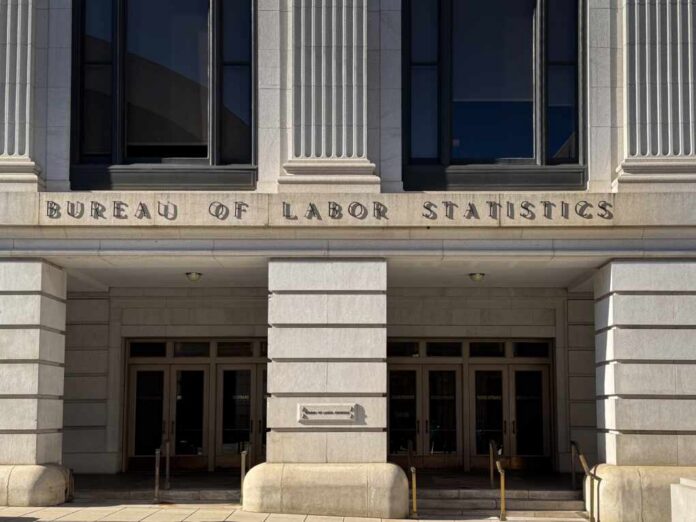
The Bureau of Labor Statistics reported that the Consumer Price Index increased 0.2% in January and slowed to 2.4% year-over-year, a step down from December’s 2.7%. Core CPI rose 0.3% for the month and 2.5% over the past year, roughly in line with expectations but still above the Federal Reserve’s 2% goal. The split matters because core inflation often signals whether price pressures are truly fading.
December’s data helps explain why the public remains skeptical of “good news” headlines. The prior month saw notable pressure from shelter, food, and energy, with shelter rising 0.4% in December, food up 0.7%, and energy up 0.3% on the month. Over the year, shelter ran higher by about 3.2% and food by about 3.1%, levels that hit households where it hurts most: rent, groceries, and basic monthly bills.
Watch:
https://youtu.be/R7gd2lRW-1s?si=psZObJjbMvjh8q6u
A Shutdown Distorted the Numbers—And That’s Not a Small Footnote
The CPI release carries an unusual warning: the fall 2025 government shutdown disrupted BLS data collection for October and November, forcing the agency to use “carry-forward” methods to fill gaps. Economists cited in coverage warned that this imputation could bias inflation readings downward into spring 2026. That means January’s cooler print may not fully reflect real-world price changes, limiting how confidently policymakers and voters should read the trend.
Data quality isn’t an academic issue when it guides national decisions. The Fed uses inflation reports to decide whether to keep rates elevated or begin cutting to spur growth. If inflation is understated because of missing surveys and substituted estimates, a premature pivot could risk reigniting price pressure.
How the Fed Could Interpret This—and Why Core Still Matters
January’s numbers arrived as markets and households look for relief from high borrowing costs after years of rate hikes. Cooling headline inflation can strengthen the case for future rate cuts, but the core measure stayed higher than the headline and remained above target. That is the tension: the headline figure offers optimism, while core inflation signals that underlying pressures, often tied to services and shelter, may be stickier and slower to normalize.
The Politics: Claims About Tariffs vs. What the CPI Can Prove
Democrats quickly tried to pin inflation on President Trump’s agenda. Rep. Brendan F. Boyle argued that prices are higher well into Trump’s term and claimed tariffs function as “massive tariff taxes.” The CPI report itself, however, does not isolate tariffs as a causal driver; it reports observed price changes, and January’s release also flags a measurement disruption that complicates clean political narratives. Voters should separate partisan messaging from what the data can and cannot demonstrate.
The January Inflation Report Just Dropped. Here's What It Says.
https://t.co/Qru79WAK9A— Townhall Updates (@TownhallUpdates) February 13, 2026
The bigger, verifiable takeaway is straightforward: inflation eased from December, but it remains above the Fed’s target, and early-2026 figures may be artificially subdued. For Americans focused on limited government and competent stewardship, this is a reminder that budget standoffs and shutdowns create real-world consequences beyond headlines—down to the quality of the statistics that steer monetary policy. Until the data normalizes and core clearly trends lower, affordability concerns are not “over.”
Sources:
https://www.foxbusiness.com/economy/cpi-inflation-january-2026
https://democrats-budget.house.gov/news/press-releases/boyle-statement-january-2026-cpi-inflation-data
https://www.bls.gov/news.release/pdf/cpi.pdf