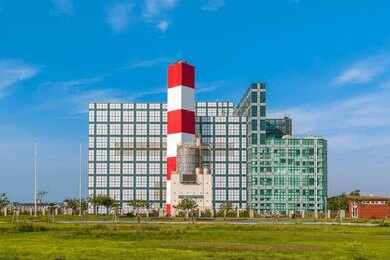
Maryland calls Baltimore’s BRESCO trash burner “clean energy,” even though data show it pollutes more than the state’s coal plants and hits nearby Black neighborhoods with some of the worst air in the city.
Story Snapshot
- BRESCO burns about 700,000 tons of trash a year and is Baltimore’s single largest industrial air polluter.
- EPA-based data show BRESCO emits roughly twice the greenhouse gases per unit of energy as Maryland coal plants, yet still gets “renewable” subsidies.
- Health studies and advocacy groups estimate tens of millions of dollars a year in asthma, heart, and cancer costs tied to its pollution, mainly in nearby Black communities.
- The operator and state regulators stress legal compliance and new controls, while long-term contracts and “green” labels help lock the plant in place through the 2030s.
How Baltimore’s Trash Burner Became “Clean Energy”
Since 1985, the Baltimore Refuse Energy Systems Company, known as BRESCO, has burned city and county trash to make steam and power. The plant can take more than 2,200 tons of waste each day and sells electricity into the grid. Under Maryland’s Renewable Portfolio Standard, the state counts this trash burning as “Tier 1” clean energy. That label lets BRESCO collect millions of dollars in renewable energy subsidies even though state and federal data show its emissions are high.
Clean Water Action and the Environmental Integrity Project cite Environmental Protection Agency and Maryland data showing a stark gap between the “clean” label and reality. In 2015, BRESCO emitted roughly double the greenhouse gases for each unit of energy compared with the six largest coal plants in Maryland. Advocates say this means taxpayers and ratepayers are paying bonuses to a facility that is more climate-intensive than coal, while political leaders point to it as proof they are backing green energy.
Pollution Levels and Health Costs in South Baltimore
Multiple reports describe BRESCO as Baltimore’s single largest source of industrial air pollution, responsible for about one-third of stationary emissions in the city. The facility releases nitrogen oxides, sulfur oxides, particulate matter, and toxic metals like mercury and lead, all linked to asthma, heart disease, and cancer. A Chesapeake Bay Foundation–cited study estimates around $55 million per year in health damages from BRESCO’s pollution alone. A newer University of Maryland and Johns Hopkins analysis pegs medical damages near $53.8 million in 2024, though that paper is still under peer review.
These damages fall hardest on nearby Black and Hispanic neighborhoods such as Westport, Cherry Hill, Mount Winans, Lakeland, Brooklyn, and Curtis Bay. An Environmental Protection Agency civil rights complaint argues BRESCO’s emissions add heavily to an already high pollution burden in these communities. National research from the Tishman Environment and Design Center shows that roughly 79 percent of U.S. trash incinerators sit in low-income or communities of color, with the worst twelve plants pushing major amounts of fine particles and heavy metals into the air. BRESCO fits this national pattern of environmental injustice.
Operator Pushback, Regulatory Limits, and Locked-In Contracts
WIN Waste Innovations, which operates BRESCO, says the plant meets federal and state standards under the Clean Air Act and other laws. The company rebranded in 2022 and reports upgrades to some emissions controls. In response to the health cost study, a spokeswoman called the research “fundamentally flawed” and pointed to figures showing nitrogen oxide emissions at a small fraction of the federal standard. However, these statements do not directly address independent findings that the plant emits more greenhouse gases per unit of energy than coal plants and dominates industrial emissions in the city.
Maryland regulators have moved to tighten nitrogen oxide limits at BRESCO, expecting a cut of about 200 tons per year, but still project the plant will emit around 900 tons of nitrogen oxides annually after changes. Baltimore’s own Ten-Year Solid Waste Management Plan states that, because of long-term private contracts, the city has “little” ability to change BRESCO’s future and expects it to operate into the mid-2030s. For many residents on both the left and the right, this looks like another case where government agencies accept corporate terms and call the result “progress,” while people living nearby absorb the risks.
Zero-Waste Alternatives and the Larger Fight Over “Green” Narratives
Community groups in South Baltimore, including the South Baltimore Community Land Trust and allied environmental organizations, are pushing for “zero waste” plans that rely more on composting, real recycling, and cutting trash at the source instead of burning it. A multi-city study that includes Baltimore found that only about one-fourth of recyclable plastics are actually recycled; the rest are landfilled or incinerated, often in communities of color. These groups argue that calling high-emission trash burning “renewable” hides the true costs and blocks investment in cleaner, local jobs.
Nationally, places like California have already closed their last trash incinerators and shifted toward landfill methane capture and aggressive recycling. Research summarized by California agencies links incinerator emissions to higher rates of lung and heart disease and some cancers, reinforcing what Baltimore residents claim they are living through. For Americans who feel the “deep state” and corporate elites use green branding to cover up harm, the BRESCO case is a clear example: a plant that pollutes more than coal, located by design in working-class Black neighborhoods, yet rewarded as clean energy while ordinary people pay the health and financial price.
Sources:
zerohedge.com, cleanwater.org, cleanairbmore.org, chesapeakeclimate.org, baltimorebrew.com, ccanactionfund.org, wypr.org, epa.gov, no-burn.org, facebook.com, energyjustice.net, ncbi.nlm.nih.gov, wastedive.com, rethinkwaste.org