A new socialist crackdown in Venezuela threatens civil liberties, alarming international observers. Led by Venezuelan Interior Minister Diosdado Cabello following the capture of former President Nicolás Maduro by U.S. forces, the operation utilizes social media to broadcast a loyalty campaign and has sparked fears of heightened repression. Cabello’s vow to punish dissenters, claiming “to doubt is to betray,” highlights the country’s precarious transition and the significant geopolitical implications for U.S.-Latin American relations and regional energy security.
Story Highlights
- Diosdado Cabello leads a crackdown on dissent in post-Maduro Venezuela.
- U.S. law enforcement captured Nicolás Maduro, prompting a power vacuum.
- Cabello uses social media to enforce loyalty and suppress opposition.
- International concerns grow over possible human rights violations.
Cabello’s Crackdown on Dissent
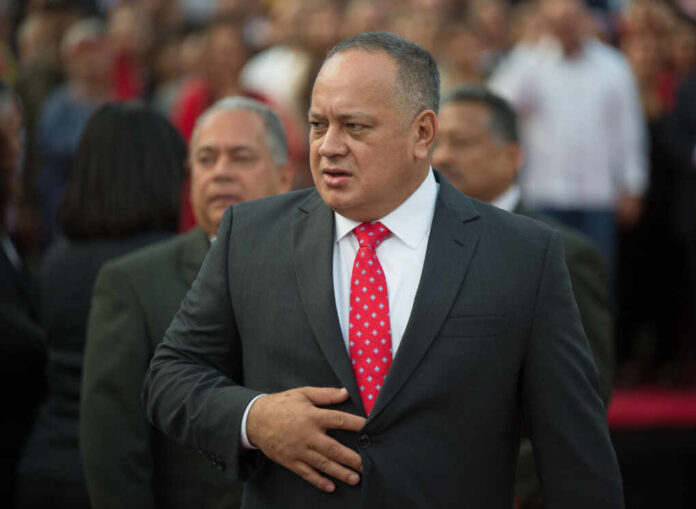
On January 5, 2026, Venezuelan Interior Minister Diosdado Cabello deployed security forces across Caracas, utilizing social media platforms like TikTok to broadcast his loyalty campaign. The operation followed the capture of former President Nicolás Maduro by U.S. forces, creating a power vacuum in the country. Cabello’s actions have sparked fears of heightened repression as he vows to punish dissenters, claiming that “to doubt is to betray.”
Cabello’s rise as a key figure in the Venezuelan regime highlights his military background and long-standing loyalty to socialist ideals. Known for his hardline stance, Cabello has been implicated in narco-terrorism and faces a $25 million bounty from the U.S. His use of social media to enforce loyalty marks a significant shift in the regime’s tactics, leveraging platforms typically associated with youth culture to maintain control.
🇻🇪 Amid the chaos in Caracas yesterday, following reports of unidentified drones flying near Miraflores Palace, unverified claims circulated about a possible power struggle. These reports alleged that Interior Minister Diosdado Cabello was moving through the streets of Caracas… https://t.co/XS7DuASzFW pic.twitter.com/U7zUANRX5H
— DD Geopolitics (@DD_Geopolitics) January 6, 2026
U.S. Involvement and Warnings
The capture of Maduro by U.S. forces was a pivotal moment, leading to a fragile transition in Venezuela. The U.S. government has issued warnings to Cabello, urging him to cooperate or face consequences similar to those meted out to Maduro. The Trump administration aims to stabilize the region and secure access to Venezuelan oil resources, while avoiding direct military intervention.
The U.S. warns that Cabello’s actions could escalate tensions, potentially leading to unrest led by militias known as colectivos. These groups have historically supported the regime and are seen as enforcers of its socialist doctrines. The State of Emergency declared by the regime further complicates the situation, as citizens fear reprisals for any form of public dissent.
Implications for Venezuelans and the Region
Venezuelans are caught in a precarious situation, with Cabello’s security measures stifling dissent and creating an atmosphere of fear. The diaspora celebrates Maduro’s capture, but those in the country face the risk of arrest for voicing opposition. Economically, the potential reopening of the oil sector hinges on achieving stability and successful U.S.-backed transitions.
The broader geopolitical implications are significant, as the situation in Venezuela sets a precedent for U.S. interventions in Latin America. The Trump administration’s handling of the crisis will influence future U.S.-Latin American relations, particularly in terms of energy security and regional stability.
Watch the report: Venezuela’s Diosdado Cabello appears at pro-Maduro march in Caracas
Sources:
- Venezuela’s Most Dangerous Socialist, Diosdado Cabello, Starts Street Hunt for Dissidents
- US Warns Diosdado Cabello, Venezuela Interior Minister, to Cooperate
- Maduro is Out, but It’s Unclear Who is Running Venezuela