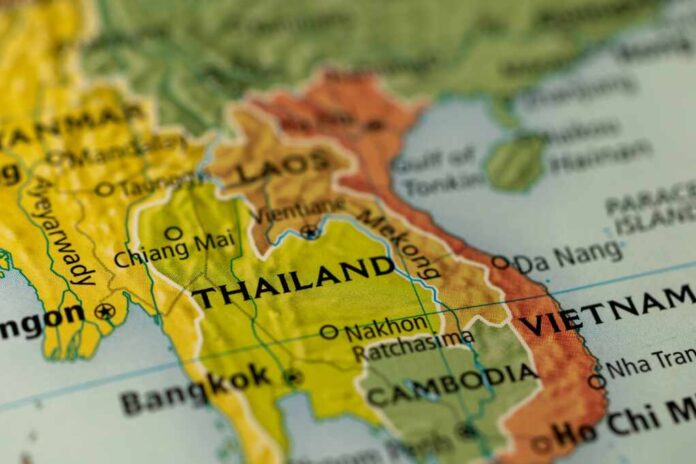
In 2025, Southeast Asia faced a catastrophic humanitarian crisis as severe flooding and landslides, triggered by Cyclone Senyar, swept through Indonesia and Thailand. The disaster led to a staggering death toll exceeding 600, left hundreds missing, and displaced millions from their homes. The scale of the devastation has overwhelmed local authorities, laying bare the region’s vulnerability to extreme weather and underscoring the urgent necessity for robust disaster preparedness and climate adaptation strategies.
Story Highlights
- Over 600 fatalities reported in Indonesia and Thailand due to Cyclone Senyar.
- Hundreds of people remain missing amidst ongoing recovery efforts.
- Infrastructure damage has left millions displaced and in need of urgent aid.
- The event underscores the vulnerability of Southeast Asia to extreme weather events.
Massive Humanitarian Crisis Unfolds
In 2025, Southeast Asia was struck by severe flooding and landslides triggered by Cyclone Senyar, leading to a staggering death toll exceeding 600 in Indonesia and Thailand alone. The cyclone, coupled with intensified monsoon conditions, resulted in catastrophic flooding that has left hundreds missing and millions displaced from their homes. The scale of this disaster has overwhelmed local authorities, highlighting the region’s vulnerability to extreme weather events and the pressing need for improved disaster preparedness infrastructure.
Severe floods and landslides in Indonesia have caused over 500 deaths, left 400+ missing, and damaged around 28,000 homes. pic.twitter.com/Lvsb9mPO78
— haseeB (@haseebfud) December 2, 2025
Indonesia’s Sumatra region, particularly the provinces of North Sumatra, West Sumatra, and Aceh, faced the brunt of the cyclone’s fury. With geographic characteristics such as steep mountainous terrain, these areas were highly susceptible to landslides, exacerbating the disaster’s impact. Official reports indicate Aceh alone suffered over 156 fatalities, with significant damage to 46,000 homes. In Thailand, Songkhla Province was severely affected, with rescue workers suggesting the real death toll could be much higher than official figures.
Infrastructure Devastation and Displacement
Recovery operations are underway, focusing on restoring critical infrastructure and providing humanitarian aid to the displaced populations. Over 570,000 people in Indonesia are seeking shelter, while in Thailand, 3.6 million residents have been affected across 20 provinces. The floods have disrupted essential services, including electricity and transportation, complicating rescue and relief efforts. Major roadways, such as the Tarutung-Sibolga Road in Indonesia, remain severely compromised, illustrating the challenges in reaching affected communities and delivering aid.
Economically, the disaster has devastated agricultural lands, damaged homes, and shuttered businesses, leading to significant financial hardship for those in affected areas. The long-term recovery process will likely require years of reconstruction efforts, with an emphasis on building resilient infrastructure to withstand future natural disasters. This disaster, being one of the deadliest in the region since the 2018 Sulawesi earthquake and tsunami, raises urgent questions about climate adaptation and disaster mitigation policies in Southeast Asia.
Lessons for Future Preparedness
The 2025 floods have sparked a conversation about the necessity of robust disaster preparedness systems in Southeast Asia. As climate change continues to influence weather patterns, the frequency and intensity of such events are expected to increase, making it imperative for governments to invest in resilient infrastructure and efficient emergency response strategies. The disproportionate impact on vulnerable communities underscores the need for comprehensive risk assessments and targeted interventions to protect lives and livelihoods in the future.
As recovery efforts progress, the international community’s role in supporting local governments and affected populations will be crucial. By learning from this disaster, Southeast Asia can enhance its resilience against future threats, safeguarding the region’s development and stability.
Watch the report: More than 600 killed, hundreds still missing after heavy floods, landslides across Indonesia
Sources:
Death toll in Indonesia floods passes 600
More than 1,100 killed as deadly storms cause flooding and landslides across Asia | CNN
Southern Asian Countries Hit by Deadly Floods