Miami’s top cop publicly warned county leaders not to sell public landmarks to a video game built on crime — even as the mayor’s team courts a Grand Theft Auto VI promotion that could rebrand the airport as “Vice City.”
Story Snapshot
- The Miami-Dade sheriff and a county commissioner oppose a Grand Theft Auto VI tie-in that uses public assets.
- The reported ideas include paid branding at public sites and even a temporary Miami airport rebrand.
- The mayor’s office says the campaign could bring in revenue and tourism, but no deal is approved.
- The clash spotlights a broader fight over public purpose, costs, and respect for law enforcement.
Sheriff’s Objection Focuses on Crime-Centered Branding
Miami-Dade Sheriff Rosie Cordero-Stutz said Grand Theft Auto centers on criminal acts that her deputies fight every day. She listed murder, robbery, drug trafficking, carjacking, and violence against police as core parts of the game’s world. She argued county leaders should not use public assets to promote that image. Her on-record statement set a clear line against any county-backed campaign built around Vice City themes and crime motifs.
County Commissioner Juan Carlos Bermúdez backed the sheriff. He said Miami-Dade should not use public resources, facilities, or its global brand to promote a fictional version of Miami built on crime and lawlessness. He also pressed for transparency. He asked the administration to spell out the public benefit, total costs, and any county resource use linked to the proposal before it advances.
What the County Discussed With Rockstar Games
County documents and reporting describe talks with Rockstar Games about a promotional partnership. Ideas reportedly included paid branding on public places and facilities. One high-profile concept was a temporary renaming of Miami International Airport to “Aeropuerto de Vice City.” The Miami Herald reported the county considered getting paid to turn select public spaces into real-world nods to the game’s setting. The county said discussions happened, but nothing is approved.
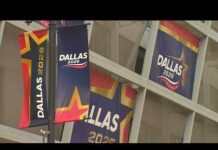
Local reporting also outlined possible banner campaigns and other paid placements. Stories said the goal was to convert global buzz around Grand Theft Auto VI into real revenue and tourism interest. County officials described fans visiting Miami to see game-inspired sites in real life. The mayor’s spokesperson said any idea would require a full review and approval process. That stance leaves the door open but stresses no final deal exists today.
Supporters Cite Revenue and Exposure; Opponents Question Public Purpose
The mayor’s office framed the tie-in as a unique chance to bring in money while showcasing Miami-Dade to a massive audience. Officials said the pitch sought to turn worldwide attention into funds for local government. They argued the county could gain exposure before millions of people and attract visitors. This case for revenue and marketing reach has been shared with several outlets and appears central to the administration’s view.
Opponents argue public assets should advance a clear public purpose that aligns with safety and community values. They say using government spaces to celebrate a crime-centered brand undermines officers and sends the wrong message. They want proof of benefits, full cost accounting, and clarity on contracts before any vote. They also stress that the absence of a signed deal does not remove the need for sunlight and hearings on any major branding of public places.
What We Know, What We Don’t, and Why It Matters
The record shows a real dispute during active talks: the administration explored concepts; the sheriff and a commissioner objected; and there is no approved contract. That means the story is about whether public branding should lean on a crime-themed franchise. It is not about canceling a completed deal. The research does not show a law that clearly bans this tie-in. It also does not show empirical proof that the campaign would glorify violence or harm safety metrics.
For citizens across the political spectrum, this raises old worries about how government uses public assets. People want leaders to protect core values, respect police, and avoid flashy deals that mainly help brands. Others want leaders to bring in new money without raising taxes. The next step is basic: release the pitch deck, list all costs and payments, and hold open hearings. Sunlight can test the promise of revenue against the risks to Miami-Dade’s image.
Sources:
hoodline.com, playfront.de, pcgamer.com, gameranx.com, youtube.com