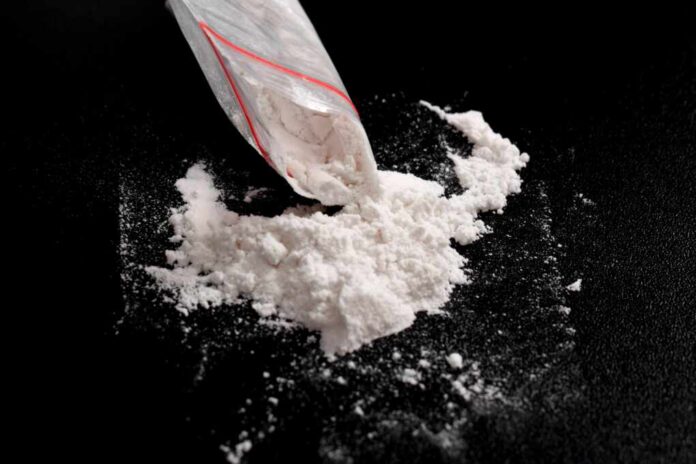
A new and dangerous trend is emerging as flavored cocaine, often laced with deadly fentanyl, is being aggressively marketed to America’s youth, particularly teens and young women, through social media platforms. The crisis has prompted urgent warnings from law enforcement, including the Arizona Attorney General, who is calling for stricter regulations on social media companies that facilitate these illicit drug sales. This new strategy by drug cartels to expand their market beyond traditional users presents a significant public health and safety threat.
Story Highlights
- The Arizona Attorney General warns of fruit-flavored cocaine aimed at teens and young women.
- Flavored cocaine is being sold via social media platforms, often laced with dangerous fentanyl.
- Mexican drug cartels allegedly use these flavors to expand their market beyond traditional users.
- Social media companies face criticism for their role in facilitating drug sales.
Arizona’s New Drug Threat
On December 11, 2025, Arizona Attorney General Kris Mayes issued an urgent warning about a troubling new trend: fruit-flavored cocaine sold via social media apps like WhatsApp. This drug, often infused with flavors such as piña colada and strawberry, targets vulnerable demographics like teens and young women. The cocaine is not only alluring due to its taste but also poses a severe risk as it is frequently laced with fentanyl, a potent opioid.
Jaden Alfredo Covarrubias was recently sentenced to 1.75 years in prison after being convicted for attempting to sell 1.55 pounds of this flavored cocaine in Pima County. This case highlights a disturbing trend where Mexican drug cartels are adapting their strategies to market these drugs to a broader audience, exploiting the reach and anonymity provided by social media platforms.
The Arizona Attorney General's Office is warning the public about a new illegal drug that is being sold in different flavors, such as strawberry, coconut and banana. https://t.co/qrDVILZRZF
— FOX 5 Atlanta (@FOX5Atlanta) December 13, 2025
The Role of Social Media
Social media companies have come under fire for their role in facilitating the sale of these dangerous substances. Platforms like WhatsApp are being used to market and sell these drugs directly to consumers, bypassing traditional drug distribution channels. Attorney General Mayes criticized these companies, holding them partially responsible for the spread of flavored cocaine due to their algorithmic promotion of drug content to young users.
The issue raises significant concerns about the responsibility of social media firms in curbing illegal activities. Despite the apparent complicity, these platforms have resisted taking adequate measures to prevent drug sales, prompting calls for federal regulations to hold them accountable, similar to those imposed on flavored nicotine products.
Implications and Future Actions
The introduction of flavored cocaine poses immediate risks to youth safety and public health, with potential long-term implications for social media regulation and drug enforcement policies. Parents are urged to remain vigilant, as the allure of flavored cocaine could lead to increased addiction rates among teens. The Arizona Attorney General’s office continues to circulate public service announcements to raise awareness and prevent further incidents.
Moving forward, the pressure is mounting on Congress to address the role of social media in drug distribution. Attorney General Mayes has been a vocal advocate for reform, emphasizing the need for accountability and stricter regulations to curb the digital spread of dangerous substances.
Watch the report: Arizona Attorney General warns against flavored cocaine | FOX 10 Phoenix
Sources:
- Man sentenced for selling fruit-flavored cocaine; Arizona AG issues consumer alert | KTVU FOX 2
- Fruit-flavored cocaine? AG Mayes announces sentencing, consumer alert about new illegal product | 12news.com
- Phoenix FD remembers fire captain; AZ AG warns public on fruit-flavored cocaine | Nightly Roundup
- Attorney General Mayes Warns Of Fruit-Flavored Cocaine After Tucson Dealer Sentenced | MOUNTAIN DAILY STAR