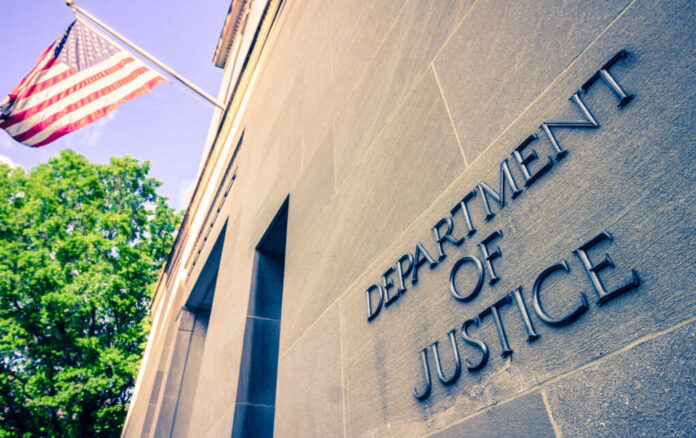
The House Oversight Committee in Washington, D.C., released over 33,000 pages of Department of Justice (DOJ) records related to the deceased financier and convicted offender Jeffrey Epstein in November 2025. The document release was compelled by a Congressional subpoena issued in August 2025. While the records represent the largest single disclosure to date, significant redactions have led to calls from victims and advocates for the complete, unredacted release of all DOJ files, raising concerns about the protection of potential co-conspirators.
Story Highlights
- A victim of Jeffrey Epstein publicly called on lawmakers to release all DOJ files on the deceased offender.
- The House Oversight Committee disclosed 33,295 pages of records in November 2025, but the documents contain heavy redactions.
- Victim advocates have expressed concern that redactions may be shielding powerful associates, though the DOJ maintains redactions are primarily for protecting victim identities.
- The release of documents followed years of institutional resistance, with disclosure ultimately being compelled by Congressional subpoenas.
Victim Calls for Full Disclosure of DOJ Records
Jeffrey Epstein accuser Alicia Arden has publicly and emotionally appealed to U.S. lawmakers to pass legislation that would force the Department of Justice (DOJ) to release all investigative files on the deceased individual. The appeal follows the House Oversight Committee’s release of 33,295 pages of DOJ records in November 2025, which contained substantial redactions.
At a press conference on Monday, November 17, 2025, actress Arden — who previously accused Jeffrey Epstein of misconduct in 1997 — expressed deep frustration over political disagreements in Washington over the release of related files. Calling the delays a “slap in the face” to those seeking accountability, Arden urged officials to make the documents public. Speaking emotionally, she said there is “no valid reason” to keep the information confidential unless it is to protect the individuals mentioned in the files.
Jeffrey Epstein grope victim begs lawmakers to release DOJ files on dead pedophile https://t.co/3nOGHWDi0C pic.twitter.com/X4uPPOgU43
— New York Post (@nypost) November 17, 2025
Congressional Action and Document Release
The release of documents was initiated by a House Oversight Committee subpoena issued in August 2025, which mandated the DOJ to provide extensive records following a period of institutional resistance. The 33,295 pages released in November represent the largest single disclosure of government records related to Epstein’s criminal activities.
The DOJ, under the oversight of Attorney General Pamela Bondi’s office, managed the declassification process. The Federal Bureau of Investigation (FBI) completed a review in July 2025, officially confirming the determination of Epstein’s death as suicide while affirming evidence of his trafficking operations.
Despite the significant volume of material disclosed, the high level of redaction remains a central point of contention. The DOJ has stated that the redactions are intended to protect the privacy and identities of victims. However, transparency advocates and survivors argue that the blackouts may also be protecting powerful associates who enabled Epstein’s crimes, specifically citing the context of his controversial 2008 Florida plea deal. The DOJ has stated that a comprehensive “client list” does not exist in their files, a claim that has fueled ongoing skepticism.
The current administration has positioned its handling of the case as a commitment to greater transparency, contrasting it with what has been characterized as previous institutional stonewalling. Complete transparency, victims argue, is necessary for addressing concerns about unequal application of justice and restoring public confidence in the justice system.
Watch the report: Alicia Arden Breaks Down, Pleads With House to Release Epstein Files After 1997 Assault Claim | APT
Sources:
Jeffrey Epstein victim begs lawmakers to release DOJ files on dead pedophile | New York Post
U.S. House to vote on releasing the Epstein files.
House Oversight Committee Releases Epstein Records Provided by the Department of Justice
DOJ/FBI Official Memo and Findings on Epstein Investigation